


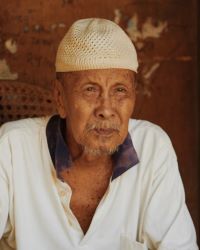

The Kaagan Kalagan are an indigenous people living in the lowland and coastal areas surrounding the Davao Gulf in Mindanao. They are part of the larger Kalagan group, historically known for small, independent settlements led by local datus. Their name is often understood to relate to "spirit" or "soul," reflecting pre-Islamic beliefs that shaped their early identity.
Before the spread of Islam in their region, the Kaagan Kalagan followed an animistic worldview. Over time, contact and intermarriage with Maguindanaon communities played a significant role in shaping their social and religious landscape. By the mid-1800s, many Kaagan Kalagan had embraced Islam, and this continues to influence their way of life today. Despite these changes, older traditions—stories, rituals, and communal customs—remain interwoven with their identity.
Their homeland stretches across river deltas, coastal plains, and fertile farmlands. These locations once placed them in the middle of trade routes and intertribal interactions, shaping a history marked by both cooperation and occasional conflict with neighboring groups.
Most Kaagan Kalagan families rely on farming and fishing. Those inland cultivate crops such as rice, corn, coconut, and abaca, while coastal households depend heavily on the sea for daily livelihood. Men often handle tasks like plowing fields or fishing in small boats, while women contribute through planting, weaving, food preparation, and caring for the household.
Family ties are strong, and elders remain respected as guides, storytellers, and custodians of tradition. Households often include extended family members, allowing cooperative care for children and shared responsibilities.
Meals typically consist of rice, fish, vegetables, and locally grown fruits. Special occasions may feature dishes prepared for communal gatherings, where food, music, and dance reinforce social bonds.
Celebrations vary depending on the community and their religious background. Muslim-practicing Kaagan Kalagan observe Islamic festivals, which include communal prayers, visiting relatives, and preparing special meals. Other celebrations—such as weddings, naming ceremonies, and harvest events—often blend cultural customs with either Islamic or older indigenous practices.
Handcrafts, especially weaving and musical traditions like kulintang rhythms, remain meaningful expressions of identity. Storytelling, both oral history and folklore, continues to shape how younger generations learn about their heritage.
The primary religious identity among the Kaagan Kalagan today is Islam blended with animistic practices. Islamic teachers and local religious leaders often guide spiritual life, teach children to read the Koran, and lead prayers in the community. Many practices reflect influences from nearby Muslim communities, especially the Maguindanaon.
Older beliefs are still remembered or respected in some families. Historically, the Kaagan Kalagan recognized a Creator and believed that spirits inhabited elements of nature. Rituals were once performed to show respect for unseen beings associated with rivers, forests, stones, and the sea. While Islam has become central to their identity, echoes of these earlier beliefs may appear in stories, attitudes toward nature, or ceremonial customs that persist culturally.
Many Kaagan Kalagan communities continue to face practical challenges related to education, healthcare access, and economic opportunity. Some families rely on seasonal or unpredictable income from farming and fishing, leaving them vulnerable during poor harvests or environmental disruptions.
Infrastructure in certain areas remains limited, affecting transportation, water access, and employment. Educational resources may be uneven, especially in more rural villages.
Spiritually, there is a need for clear opportunities to engage with Scripture in their heart language and for local believers to grow in maturity and confidence. Where followers of Jesus are present, they may benefit from discipleship support and encouragement to share their faith with neighboring communities in ways that are respectful and culturally sensitive.
Pray for improved access to healthcare, education, and reliable livelihoods.
Pray that families will find stability during seasons of economic difficulty.
Pray that followers of Jesus among them will grow in their faith and receive wise discipleship.
Pray that believing Kaagan Kalagan will share God's truth with neighboring communities.
Scripture Prayers for the Kalagan, Kaagan in Philippines.
https://en.wikipedia.org/wiki/Kalagan_people
https://www.slideshare.net/slideshow/kalagan-ethnic-group-in-the-philippines/239228881
https://www.wikiwand.com/en/articles/Kalagan_people
https://www.detailedpedia.com/wiki-Kalagan_people
https://everything.explained.today/Kalagan_people/
| Profile Source: Joshua Project |


